EQUIMO BLOG

When extreme summer temperatures push an equine athlete past its comfort zone, the cardiovascular system works overtime; not just to power movement, but to keep the body from overheating. Understanding how heat drives a horse’s heart rate to critical levels, and recognizing the warning signs of cardiovascular strain, is essential for protecting horses from heat exhaustion and heat stroke.
In moderate conditions, a horse’s cardiovascular system primarily routes oxygenated blood to working muscles. However, when ambient temperatures and humidity spike, the body prioritizes thermal regulation by expanding blood vessels near the skin to shunt heat outward. A heavily sweating horse can lose ten to fifteen liters of fluid per hour, which drastically reduces total blood volume. Because the heart pumps less volume per beat under these conditions, it must beat significantly faster to maintain standard blood pressure and cardiac output.
A healthy, resting horse normally maintains a heart rate between 28 and 40 beats per minute, but heat stress can push resting rates up to 60 beats per minute, with anything higher signalling critical danger. After exercise, a horse in cool conditions recovers to below 64 beats per minute within fifteen minutes, whereas a heat-stressed horse stays elevated between 64 and 80 beats per minute. Under normal circumstances, heart rate remains higher than respiratory rate, but extreme heat causes thermal panting where breathing rate equals or even exceeds heart rate, creating a dangerous physiological condition known as respiratory inversion.
During intense exertion in high temperatures, up to twenty percent of total cardiac output is diverted away from active muscles to the skin solely for cooling. This shift reduces oxygen delivery to muscle tissue, forcing the horse into anaerobic metabolism earlier and generating additional metabolic heat. This double burden of cooling the body while maintaining movement causes heart rates to remain dangerously elevated long after physical activity has stopped.
An elevated heart rate becomes a critical warning sign of heat stroke when it fails to drop below 64 beats per minute thirty minutes after exercise. This prolonged elevation is frequently accompanied by rapid, shallow thermal panting and tacky, dry gums with a capillary refill time lasting longer than two seconds. Additionally, a rising heart rate paired with diminished or absent gut sounds indicates severe dehydration and impending systemic shutdown.
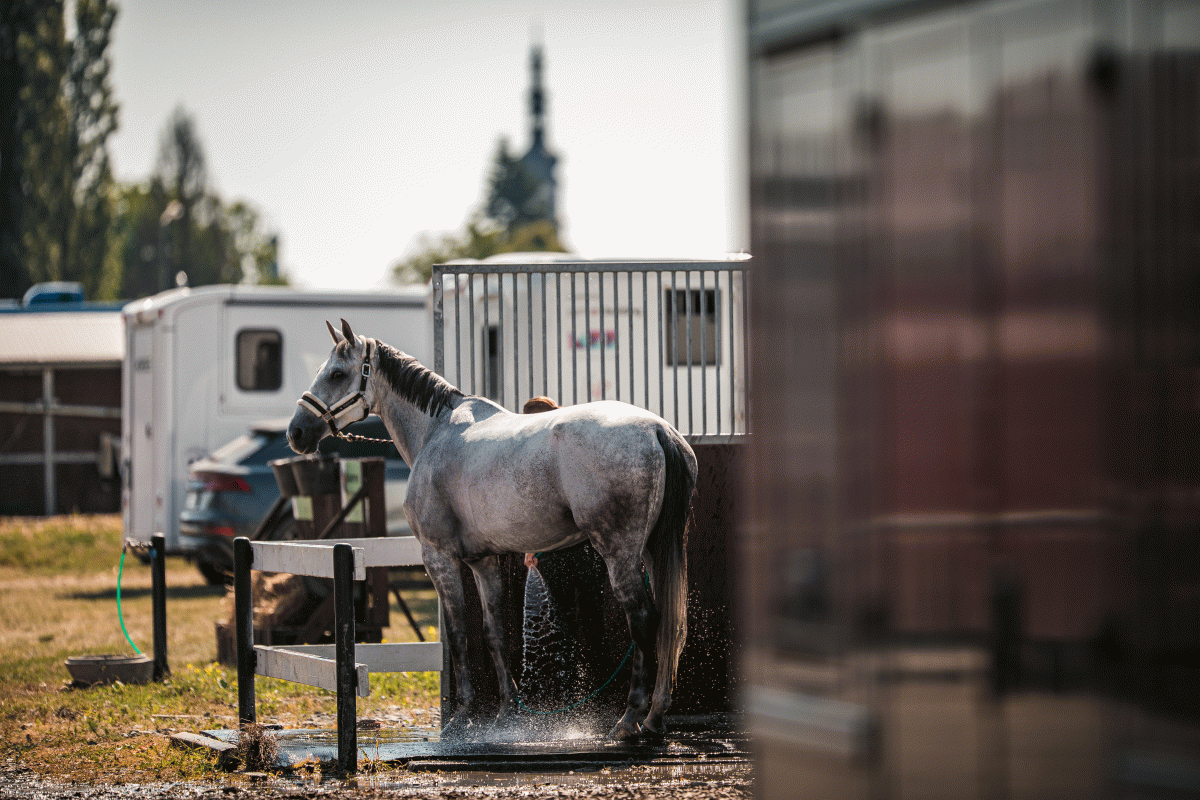
To lower a heat-stressed horse's heart rate, cool water should be applied continuously over large muscle groups like the neck and hindquarters, then scraped off immediately to facilitate heat transfer. Placing the horse in shaded areas with fans or natural air movement significantly accelerates evaporative cooling and speeds up heart rate recovery. Once the horse's breathing stabilizes, providing cool, fresh water alongside balanced electrolytes helps restore lost blood volume and stabilize cardiovascular function.
Ultimately, paying close attention to equine heart rate is one of the most reliable ways to gauge heat strain before visible distress takes hold. By routinely monitoring cardiac recovery after exercise, riders and grooms can catch cardiovascular fatigue early and intervene before mild heat stress spirals into a life-threatening emergency. Staying vigilant with these vitals ensures you can protect your horse’s health and well-being even through the hottest days of summer.
CONTACT US INFO@EQUIMO.COM



Advintec spol. s.r.o, Korunní 1302/88, 101 00 Prague, Czech Republic
