EQUIMO BLOG

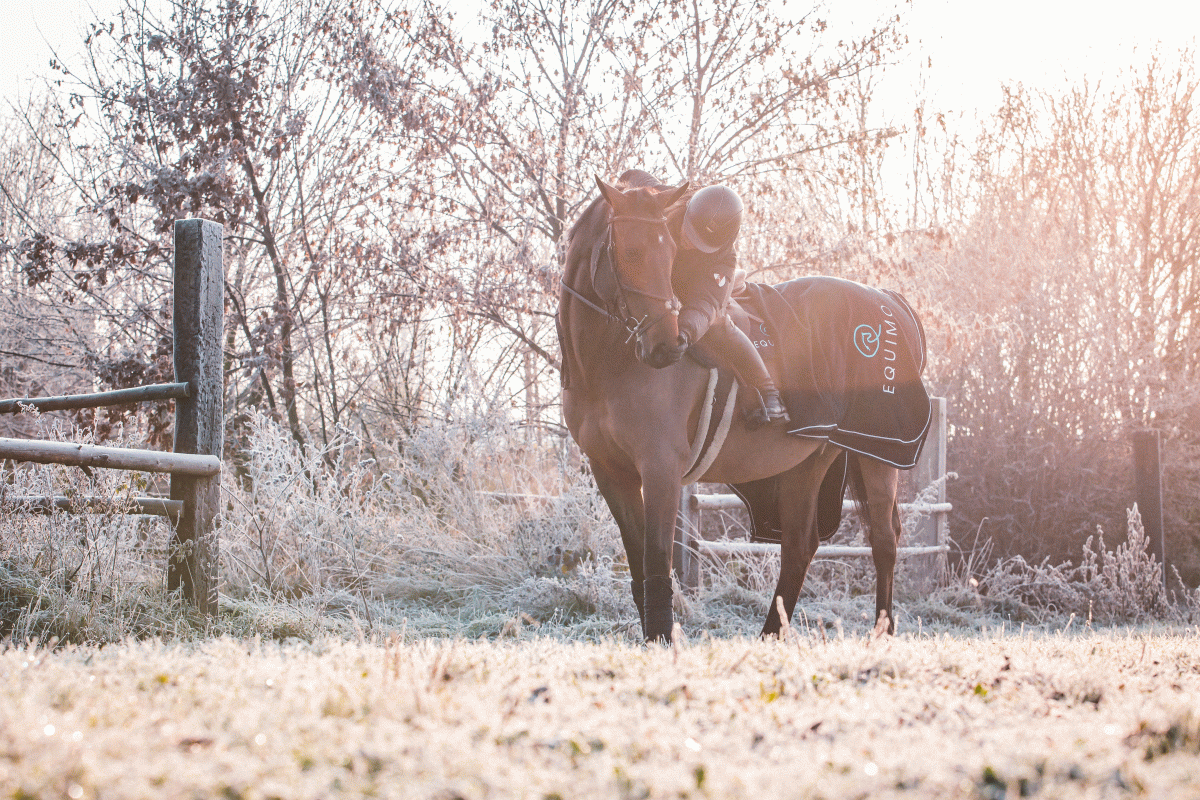
The holiday season often brings a welcome pause from routine — fewer competitions, lighter training schedules, and more time spent enjoying our horses. But for horses, changes in routine can be just as challenging as intense work.
Whether you’re traveling, giving your horse time off, or simply adjusting your schedule, here are three key principles to help keep your horse healthy, calm, and safe during the holidays.
Holidays often mean less riding — and that’s not a bad thing. Rest is essential.
But horses thrive on consistency, and sudden changes can lead to stress or physical discomfort.
What helps:
Keep feeding times and turnout schedules as consistent as possible
Replace intense training with light groundwork, walks, or stretching
Avoid long periods of complete inactivity unless advised by a vet
Even light movement helps maintain circulation, joint health, and mental balance.
Holidays can be surprisingly stressful for horses:
altered stable routines, colder weather, or unfamiliar people around the barn.
Stress doesn’t always show up as obvious behavior. It often appears in subtle physical signals:
Elevated resting heart rate
Unwillingness to work
Increased tension or reactivity
Paying attention to these small changes allows you to respond early — before stress turns into injury or illness.
Rest doesn’t mean doing nothing — it means allowing the body to adapt.
During the holidays, focus on:
Proper recovery after even light exercise
Warm-ups and cool-downs, especially in cold weather
Monitoring how quickly your horse returns to baseline after activity
A well-recovered horse enters the new season healthier, stronger, and more motivated.
The holidays are the perfect time to step back, observe, and realign your goals.
By keeping structure, noticing early stress signals, and supporting recovery, you’re investing in your horse’s long-term well-being.
Because safe holidays don’t just protect the present —they prepare you for a stronger, healthier season ahead.
CONTACT US INFO@EQUIMO.COM



Advintec spol. s.r.o, Korunní 1302/88, 101 00 Prague, Czech Republic
